Procurement contract review workflow guide
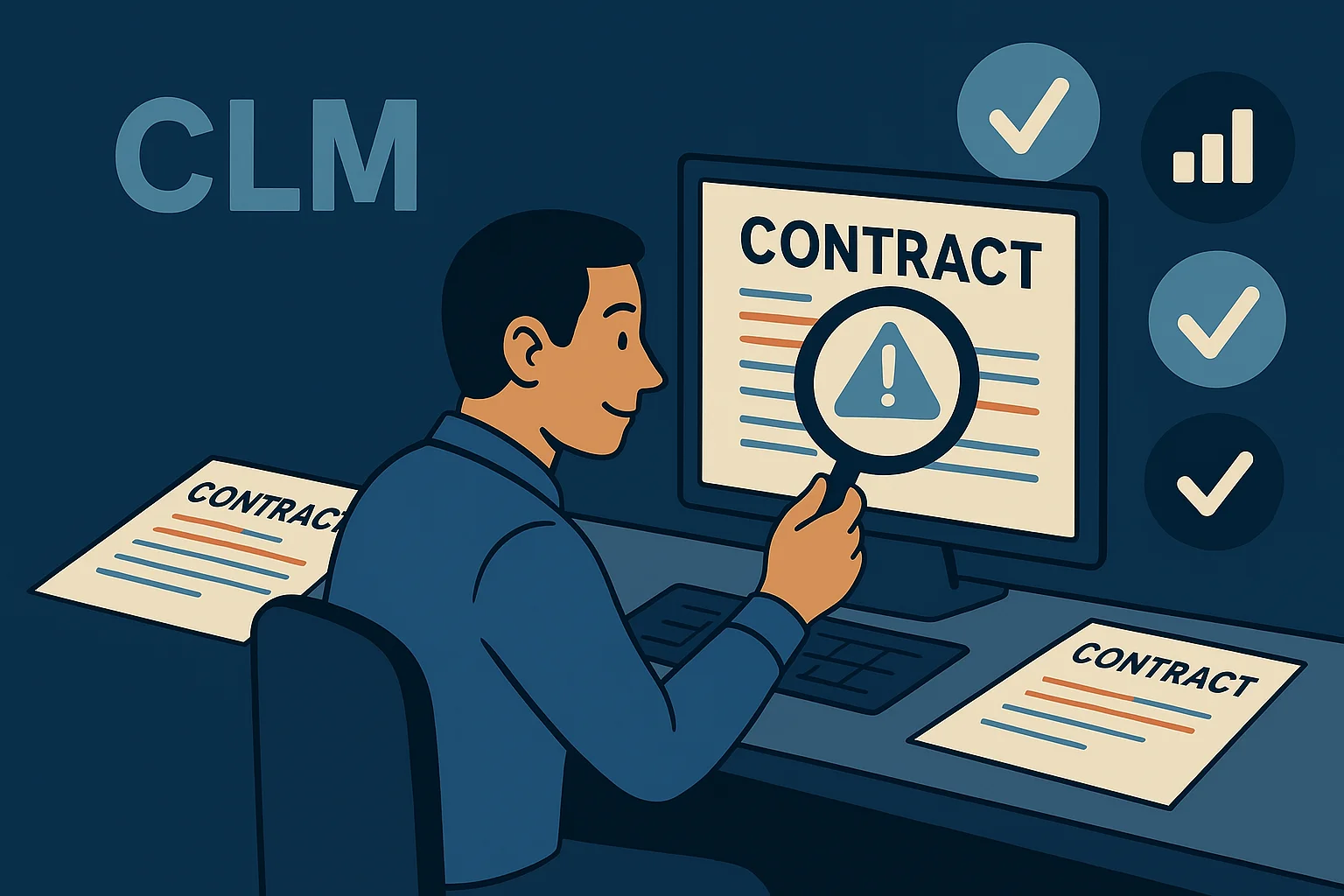
Procurement contract review is not just a legal task. It is a business workflow that decides whether supplier risk, pricing terms, data obligations, renewal language, and liability positions are acceptable before the agreement moves forward.
A useful workflow keeps procurement moving while giving legal the context it needs for judgment calls. CompareX helps with the first-pass review: risk flags, missing protections, changed terms, and clause-level questions before escalation.
1. Capture the intake context
Start with the basics before reviewing the document: contract type, supplier name, contract value, renewal or new agreement, deadline, business owner, and whether the contract touches data, IP, payment processing, or regulated operations.
This context tells the reviewer how much risk tolerance exists. A low-value renewal and a strategic supplier MSA should not receive the same review path.
2. Run a first-pass risk review
Upload the contract to the Free Contract Analyser or the CompareX workflow. Look for payment terms, renewal language, liability caps, termination rights, confidentiality, IP ownership, data protection, audit rights, and unusual obligations.
The goal is not to replace legal review. The goal is to avoid sending legal an undifferentiated document. Procurement should know which clauses deserve attention.
3. Compare supplier drafts against the baseline
When a supplier sends redlines or a revised draft, use AI Contract Comparison. The review should answer three questions: what changed, what is missing, and which changes alter the commercial or risk position?
This is where many procurement teams lose time manually reading versions. A structured comparison turns the negotiation into a short issue list.
4. Define escalation rules
Not every finding needs legal. Escalate when the contract changes liability, indemnity, data protection, IP ownership, governing law, termination rights, exclusivity, payment exposure, or compliance obligations.
Attach clause context to the escalation. Legal should receive the provision, the risk summary, the business context, and the specific question. That is much faster than asking counsel to start from a blank document.
5. Prepare the approval note
Before sign-off, procurement should be able to state: the main risks, the missing protections, the supplier changes accepted, the open legal questions, and the negotiation position.
CompareX supports that workflow by turning contract text into review notes. The output helps procurement decide whether to approve, negotiate, or escalate.
Start with one supplier contract
Do not redesign the whole process first. Pick one supplier contract, run the first-pass review, compare any revised draft, and measure whether the issue list is clearer than the manual process.