Why Manual Contract Review Slows Sales, Procurement, and Operations
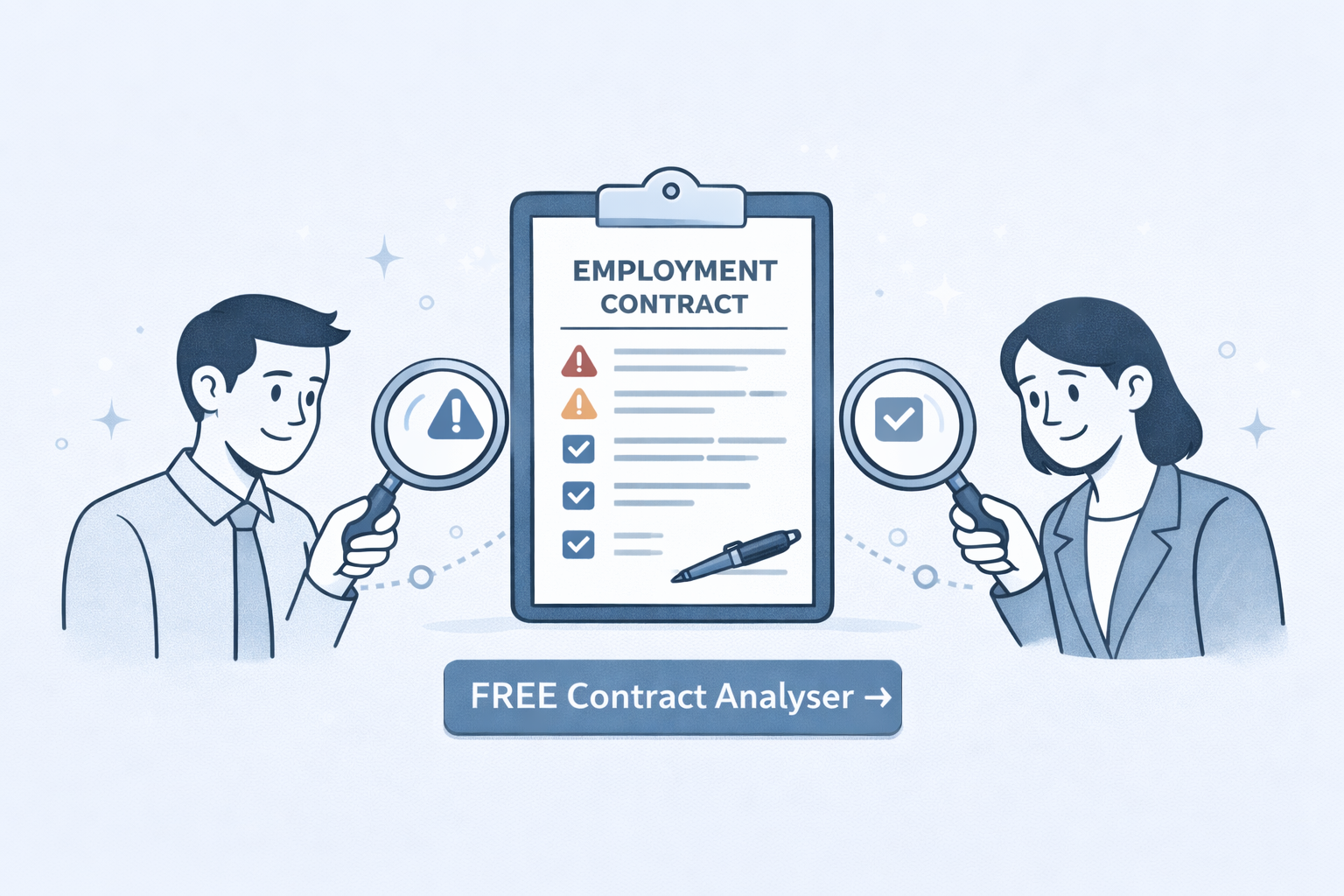
Manual contract review looks responsible on the surface. Every line gets opened, every version gets scanned, and every approval appears controlled. But in practice, manual review often creates a hidden operating tax across the business.
Sales waits for redlines. Procurement waits for fallback positions. Operations waits for terms to be clarified before onboarding or delivery can start. Legal becomes the default queue owner even when the issue is commercial, not legal. If you want a faster way to see what is actually inside a contract, start with CompareX's Free Contract Analyser.
Need a faster first read on a contract? Start with the Free Contract Analyser.
1) Manual Review Becomes a Business Bottleneck Long Before It Looks Like One
Most companies do not notice the problem at first. A few contracts per week feel manageable. People know who to ask. A senior reviewer can still jump in and unblock the process.
Then volume grows.
At that point, manual review stops being a legal task and becomes an operations problem:
- sales cannot get contracts approved quickly enough to keep momentum
- procurement cannot move suppliers through review fast enough
- operations cannot rely on clean commercial terms at handoff
- finance waits on clauses that affect billing or payment timing
The review queue becomes the silent system that slows everything behind it.
2) The Real Cost Is Spread Across Multiple Teams
When teams talk about contract review cost, they often mean legal hours. That is only part of the picture.
The broader cost includes:
- delayed revenue because customer paper sits in review
- slower vendor onboarding because procurement cannot get timely answers
- rework during implementation because obligations were not clear at signature
- inconsistent negotiation outcomes because fallback language is not applied consistently
- leadership interruptions because unresolved issues reach the wrong level too late
This is why manual contract review feels more expensive as a company scales. The process affects more teams than the queue suggests.
For a broader view of how AI can reduce manual back-office work, see Arthur & Co.
3) Manual Comparison Is One of the Biggest Time Drains
One draft is rarely the problem. The real delay starts when contracts come back with changes.
Teams then have to answer questions like:
- What exactly changed from the last version?
- Did the other party accept our edits?
- Was a risky clause reintroduced elsewhere?
- Did payment, termination, liability, or data terms shift?
Doing that manually across PDFs, Word files, and reformatted drafts is slow and unreliable.
That is why AI Contract Comparison matters. It shortens the time between "new draft received" and "decision-ready view" by showing actual changes instead of forcing reviewers to hunt for them.
4) The Queue Gets Worse When Everything Escalates to Legal
Many businesses have an informal operating model: if anything looks unusual, send it to legal.
That sounds safe, but it creates predictable failure points:
- legal becomes the default triage team
- business teams stop building review capability
- simple contracts get the same treatment as complex ones
- reviewers receive low-context escalations with no prioritization
A better model is layered:
- business owner uploads the contract
- AI creates a structured first-pass review
- sales, procurement, or operations checks commercial fit
- legal receives only the material issues
This preserves oversight without making legal the intake desk for the entire company.
5) Speed Improves When Risk Is Prioritized Early
Most contract delays happen because teams do not know what deserves immediate attention.
If everything is marked urgent, nothing is actually prioritized.
The first review layer should help teams isolate:
- material liability changes
- payment and pricing deviations
- auto-renewal or termination traps
- missing data, confidentiality, or IP protections
- unusual obligations that affect delivery or operations
CompareX surfaces those issues through Risk & Compliance Insights, Gap Analysis, and Clause-by-Clause Annotations.
That lets reviewers focus on consequence, not just document length.
6) Better Review Structure Also Improves Conversion and Onboarding
This matters commercially as well as operationally.
For sales:
- faster review means fewer stalled deals
- clearer escalation means fewer last-minute surprises
For procurement:
- faster review means suppliers onboard sooner
- version tracking means less negotiation confusion
For operations:
- cleaner contract summaries reduce handoff mistakes
- teams can see what was actually agreed before delivery starts
Manual review rarely fails because people are careless. It fails because the process does not scale with business speed.
7) What to Replace Manual Review With
The replacement is not "let AI approve contracts." The replacement is a better review system.
That system typically includes:
- intake with contract type and owner identified
- first-pass AI analysis for summary, risk, and missing clauses
- version comparison when drafts change
- playbooks with fallback language
- clear escalation rules to legal, security, procurement, or leadership
- searchable records of what was accepted and why
CompareX supports that operating model by combining Free Contract Analyser, AI Contract Comparison, and Interactive Contract Q&A.
Final Takeaway
Manual contract review slows more than legal. It slows revenue, supplier execution, implementation, and internal decision-making.
The fix is not to remove human review. The fix is to stop using human time for work that should already be structured, summarized, compared, and prioritized before the final decision.
If your teams are still spending hours opening drafts side by side, start by testing a live contract in the Free Contract Analyser and see how much faster the conversation becomes when the first-pass review is already done.